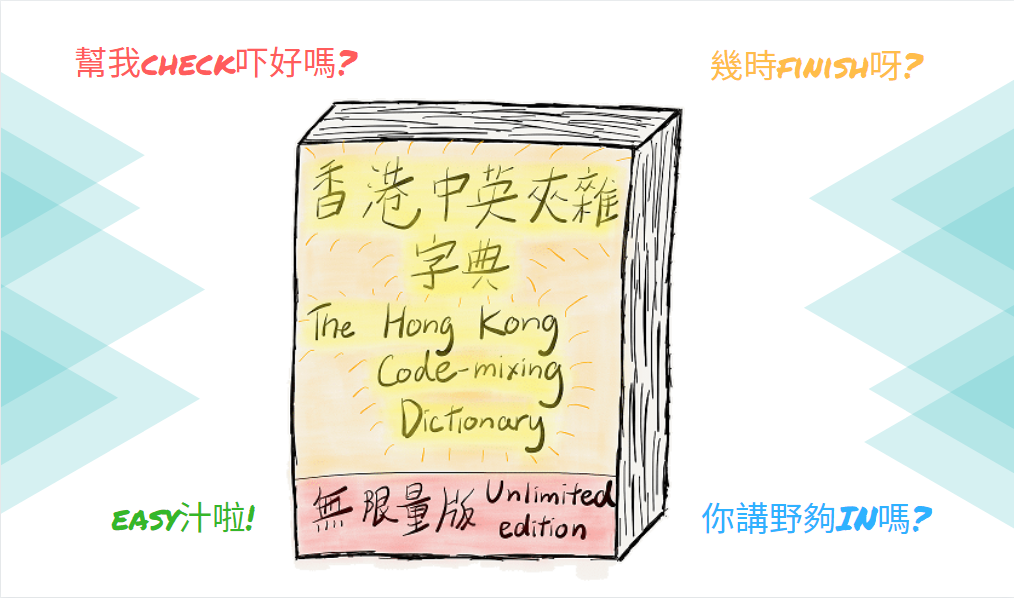
Definition: Known as Kongish and derived from '長氣', this is a code-mixing term used by native Hong Kongers to refer to a friend who is always so verbose and says the same thing over and over again, like a grandma.
Usage: E.g. 喂,我頂你!唔好咁long gas得唔得呀?!(長氣)
Synonym: 長氣
Reference: https://www.cantonese.sheik.co.uk/dictionary/words/2630/
Definition: A code-mixing term that native Hong Kongers use to describe someone or something as dull and boring such as having no relationship, which definitely has nothing to do with 'dry dating' in native English.
Usage: E.g. 我近排冇拖拍好dry呀。(I recently haven't been dating, so dry!)
E.g. 唔好成日自己一個人咁dry啦。(Don't be always by yourself, so dry!)
Synonym: 沒新鮮感,很無聊,枯燥乏味
Reference: https://www.youtube.com/watch?v=dtwE7IA18CY&t=50s
Definition: A code-mixing term used by grassroots class Hong Kongers to refer to how thoroughly cooked a steak is, which is equivalent to ‘well done’ in native English.
Usage: E.g. 個鬼佬轉另轉頭問我: whatxxxxxxxxxxxxxxxxxxxxxxxxx? 我好自豪 充滿自信 大大聲答: GOOD JOB!! 個鬼佬就呆哂 唔明我無啦啦做乜講GOOD JOB咁 女友見到 即刻幫我答:WELL DONE (The western waiter then asked me: whatxxxxxxxxxxxxxxxxxxxxxxxx? I was proud and confident and answered loudly: GOOD JOB! The western waiter was speechless and didn't understand why I said good job. When my girlfriend saw this, she immediately helped me answer: WELL DONE)
Synonym: 全熟
Reference: https://amp.lihkg.com/thread/561255/page/1
Definition: A code-mixing term used by native Hong Kongers to address a middle-aged woman who wants to sound younger because '姨姨' in Cantonese somehow sounds old.
Usage: E.g. A: 點解香港咁多盲毛,好多人見到女性唔係着校服嘅就叫人阿姨!尤其啲阿叔阿婆次次鳩叫。好心盲毛唔識分就叫人姐姐/小姐/阿妺!叫後生啲點都好過叫老咗呀。B: Hi Auntie. (A: Why are there so many blind idiots in Hong Kong? Many people address women as 'ah yi' whenever someone who is not wearing school uniform! Especially the uncles and grannies! Could these blind idiots say sister, miss, or sis?! Addressing someone as younger is better than old. B: Hi Auntie.)
Synonym: 姨姨; 阿姨
Reference: https://lihkg.com/thread/2839861/page/1
Definition: A code-mixing term that is often used with “啱key”, which refers to whether you get along well with somebody. Explanation: like the key in a piece of music.
Usage: Eg. 你同你朋友啱唔啱key呀?
Reference: https://shyyp.net/hant/phrase/啱key
Definition: A code-mixing term that working class Hong Kongers like to use to describe a job that must be done in a company office.
Usage: E.g. 份合約講明份工要onsite做,冇得work from home。
Synonym: 現場,在工地

 Instagram